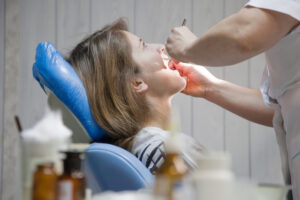
Jaw pain, clicking sounds, and headaches are common signs of temporomandibular joint (TMJ) disorder, a condition that can make everyday activities like eating and speaking uncomfortable. While home remedies may provide short-term relief, professional TMJ treatment offers a more reliable path to long-term comfort and improved jaw function. With guidance from trained specialists, patients can expect personalized care that focuses on easing pain, correcting bite problems, and preventing future flare-ups. Let’s explore more in the following article.
Why do patients undergo TMJ Treatment?
TMJ or temporomandibular joint disorder, affects the hinge joints that connect your jaw to your skull. With the joint being strained or misaligned, it can lead to
- Jaw pain or tenderness
- Clicking or popping sounds when opening the mouth
- Difficulty chewing or speaking
- Headaches and earaches
To help patients relieve themselves from this painful situation, the most plausible solution is the TMJ treatment.
There are primarily two types of treatments, surgical and non-surgical.
Generally, the dentists in San Pedro conduct a thorough diagnosis and recommend the best course of action.
Key medical efficacies include the following:
| Category | Treatment Methods | Purpose / Benefits | When Used |
|---|---|---|---|
| Non-Surgical TMJ Therapy |
|
|
Mild to moderate TMJ cases; 80–90% success rate for long-term relief. |
| Surgical |
|
|
Recommended only if non-surgical treatments fail. |
How to prepare yourself for TMJ Treatment? Pre-process, during the process, and post-care essentials
Pre-process
Here is a detailed outline of how you can prepare for this dental treatment
1. Understand Your Symptoms
- Keep a journal of your jaw pain, headaches, clicking sounds, or difficulty chewing.
- Note when symptoms occur (morning, after meals, during stress).
- This helps your dentists in San Pedro to make an accurate diagnosis.
2. Gather Medical and Dental History
- Bring records of past dental work, orthodontic treatments, or jaw injuries.
- List any medications you currently take.
- Share information about habits like teeth grinding, nail biting, or gum chewing.
3. Adjust Lifestyle Habits Before Treatment
- Switch to softer foods to reduce strain on your jaw.
- Avoid chewing gum or biting hard objects.
- Practice good posture, especially if you spend long hours at a desk.
- Begin stress management techniques (deep breathing, meditation) to relax jaw muscles.
4. Prepare Questions for Your Specialist
- Ask about the type of TMJ treatment recommended (splints, therapy, medication, etc.).
- Clarify how long treatment might take and what results to expect.
- Discuss whether surgery is ever necessary in your case.
5. Mental and Emotional Preparation
- Understand that TMJ treatment is often gradual—relief builds over time.
- Be patient with follow-up visits and adjustments.
- Stay positive: most patients experience significant improvement with professional care.
6. Practical Preparation
- Schedule appointments at times when you’re not rushed.
- Arrange transportation if you expect procedures that may leave you sore or tired.
- Stock up on soft foods (soups, smoothies, and yogurt) for recovery days.
Get Your Free Consultation: Looking for an Affordable Dentist in San Pedro you can trust?
Get high-quality dental care without breaking your budget! Book your appointment today and enjoy a healthier, brighter smile with expert care you can afford.
During the treatment
Here is what happens during the Treatment.
1. Initial Consultation and Diagnosis
- Comprehensive evaluation: Your dentist or specialist examines your jaw movement, bite alignment, and facial muscles.
- Imaging tests: X-rays, CT scans, or MRIs may be used to see the joint structure.
- Symptom review: You’ll discuss pain levels, habits (like teeth grinding), and lifestyle factors that may contribute to TMJ disorder.
2. Non-Surgical Treatment Phase
Most patients begin with conservative, non-invasive methods:
- Oral appliances: Splints or mouthguards are fitted to reduce strain and prevent teeth grinding.
- Physical therapy: Jaw exercises, massage, and posture training improve mobility and reduce tension.
- Medications: Pain relievers, muscle relaxants, or anti-inflammatories may be prescribed for short-term relief.
- Lifestyle guidance: Stress management, dietary changes (soft foods), and avoiding harmful habits are emphasized.
3. Advanced or Surgical Options (if needed)
If non-surgical methods don’t provide enough relief:
- Arthrocentesis: Flushing the joint with fluid to remove debris and reduce inflammation.
- Arthroscopy: Minimally invasive surgery using small instruments to repair or adjust the joint.
- Open-joint surgery: Used in severe cases to repair, reposition, or replace the joint.
- Dental interventions: Bite correction, implants, or bone grafts may be recommended if jaw alignment contributes to TMJ issues.
What happens after the treatment?
1. Immediate Recovery
- Mild soreness or stiffness: Common after oral appliance fitting or physical therapy.
- Dietary adjustments: Patients may need to stick to soft foods temporarily.
- Pain management: Over-the-counter or prescribed medications may be used for short-term relief.
2. Long-Term Management
- Follow-up visits: Regular check-ins ensure progress is monitored and adjustments are made.
- Jaw exercises at home: Continuing physical therapy routines helps maintain mobility.
- Lifestyle changes: Stress reduction, posture correction, and avoiding harmful habits remain essential.
- Oral appliance use: Mouthguards may need ongoing use, especially at night.
3. Expected Outcomes
- Reduced pain and headaches
- Improved ability to chew and speak comfortably
- Better sleep quality
- Lower risk of flare-ups or worsening symptoms
4. Patient Responsibility
- Consistency: Relief is gradual, so sticking to the treatment plan is crucial.
- Communication: Report any changes in symptoms to your specialist.
- Maintenance: Continue healthy habits to prevent recurrence.
The bottom line
Professional TMJ treatment offers a structured path to lasting relief from jaw pain, headaches, and discomfort. During treatment, patients can expect thorough evaluation, personalized care plans, and non-surgical methods such as oral appliances, physical therapy, and lifestyle guidance. At Dr. Smile, the treatment is delivered with precision, care, and a focus on long-term relief. Patients can expect a thorough evaluation, personalized treatment plans, and advanced non-surgical solutions that ease pain, restore jaw function, and prevent future flare-ups.
Get ready for Jaw Pain-Free Days?
Don’t let TMJ steal your comfort. Schedule your free TMJ evaluation at Dr. Smile today—get personalized relief in weeks.
Frequently Asked Questions:
Q. What are the signs that I might need professional help for jaw joint problems?
Persistent jaw pain, stiffness, clicking or popping sounds when opening or closing the mouth, headaches, earaches, and difficulty chewing are common indicators. If these symptoms interfere with daily activities or worsen over time, seeking professional care is recommended to prevent further complications.
Q. What professional options are available for managing jaw joint disorders?
Care options may include oral appliances such as splints or night guards to reduce strain, physical therapy to improve jaw mobility, medications to manage pain and inflammation, dental adjustments to correct bite issues, and in severe cases, injections or surgery. The approach depends on the severity of the condition and the individual’s needs.
Q. How quickly can patients expect relief once they begin professional care?
The timeline varies. Many patients notice improvement within a few weeks of using oral appliances or engaging in physical therapy. Long-term relief often requires consistent follow-up and lifestyle changes, such as stress reduction and avoiding habits like teeth grinding. Commitment to the recommended plan is essential for lasting results.
Q. Can jaw joint disorders be permanently resolved?
These conditions are typically managed rather than permanently cured. Professional care aims to reduce pain, restore function, and minimize flare-ups. With proper management and healthy habits, many patients achieve long-term stability and significant relief, even if occasional symptoms return.
Q. What should I expect during my first consultation with a specialist?
The initial visit usually involves a review of your medical and dental history, an examination of jaw movement and bite alignment, and sometimes imaging tests such as X-rays or MRI scans. Based on these findings, the specialist will create a personalized plan designed to address your symptoms and lifestyle factors.









Leave a Reply