
Have you ever thought about what it really takes to get ready for a major dental surgery? It is normal to be nervous before taking the first step, and most people feel the heat too. Within the first few weeks of planning, you’ll hear a term like full mouth dental implants. Understanding the options and knowing how to prepare will make the process smoother and less stressful. In this dental implant guide, let’s break it down in simple words with practical tips you can actually use.
Why Preparation Matters for a Full Mouth Dental Implants Surgery
Getting ready for a full mouth dental implants surgery is more than just showing up on the day. It’s about setting yourself up for success and making sure your body and mind are ready. Think of it like building a house. You wouldn’t start without a strong foundation. In the same way, preparing well gives your implants the best chance to last a lifetime.
Here’s why preparation is so important:
- You heal faster when your body is prepared: If you take care of your health before surgery—by eating balanced meals, staying hydrated, and avoiding habits like smoking—your body recovers more quickly. A strong immune system helps fight off infection and speeds up healing.
- You feel calmer when you know what’s coming: Surgery can feel scary if you don’t understand the process. But when you talk to your dentist, ask questions, and learn about each step, it takes away the fear. Knowing what to expect makes the whole experience less stressful.
- You get better results when you follow the right steps: Preparation isn’t just about the day of surgery—it’s about the weeks before and after. Following your dentist’s instructions, keeping your mouth clean, and planning your recovery space at home all help ensure the implants bond properly and last for years.
Think of it this way:
- If you prepare your body, you’ll bounce back faster.
- If you prepare your mind, you’ll feel more confident.
- If you prepare your lifestyle, you’ll enjoy smoother recovery and better long-term results.
Step 1: The First Consultation
This is where your dental implant guide begins. The initial consultation is your chance to learn. Don’t rush it. Take notes, ask questions, and make sure you understand the plan.
Here’s what happens:
- Your dentist checks your teeth, gums, and jawbone with scans.
- They review your medical history and current medications.
- You’ll hear about treatment options, including All-on-4 dental implants. if you need a full arch replacement.
- Costs and payment plans are discussed.
Here are some tips for you:
- Write down questions before your visit.
- Bring a list of medicines or supplements.
- Ask about recovery timelines and lifestyle changes.
Step 2: Pre-Surgery Preparation
This stage sets the tone for recovery. Think of this stage as preparing your home and body for healing. The smoother your environment, the easier recovery will be.
Here’s what is usually involved:
- Removing damaged teeth.
- Bone grafting if your jawbone isn’t strong enough.
- Keeping your mouth clean lowers the risk of infection.
- Adjusting habits like smoking or heavy drinking.
Here is some practical advice:
- Stock up on soft foods—smoothies, mashed potatoes, yogurt, soups.
- Create a “recovery corner” at home with pillows, ice packs, and your prescribed medicines.
- Ask your dentist if you should stop certain medications before surgery.
Step 3: The Day of Surgery
This is the part most people worry about, but knowing what happens helps. Here is a simple tip for you. Wear comfortable clothes and arrange for someone to drive you home. Remember that the day of surgery is about trust—trust in your dentist, trust in the process, and trust in yourself.
Here’s the process:
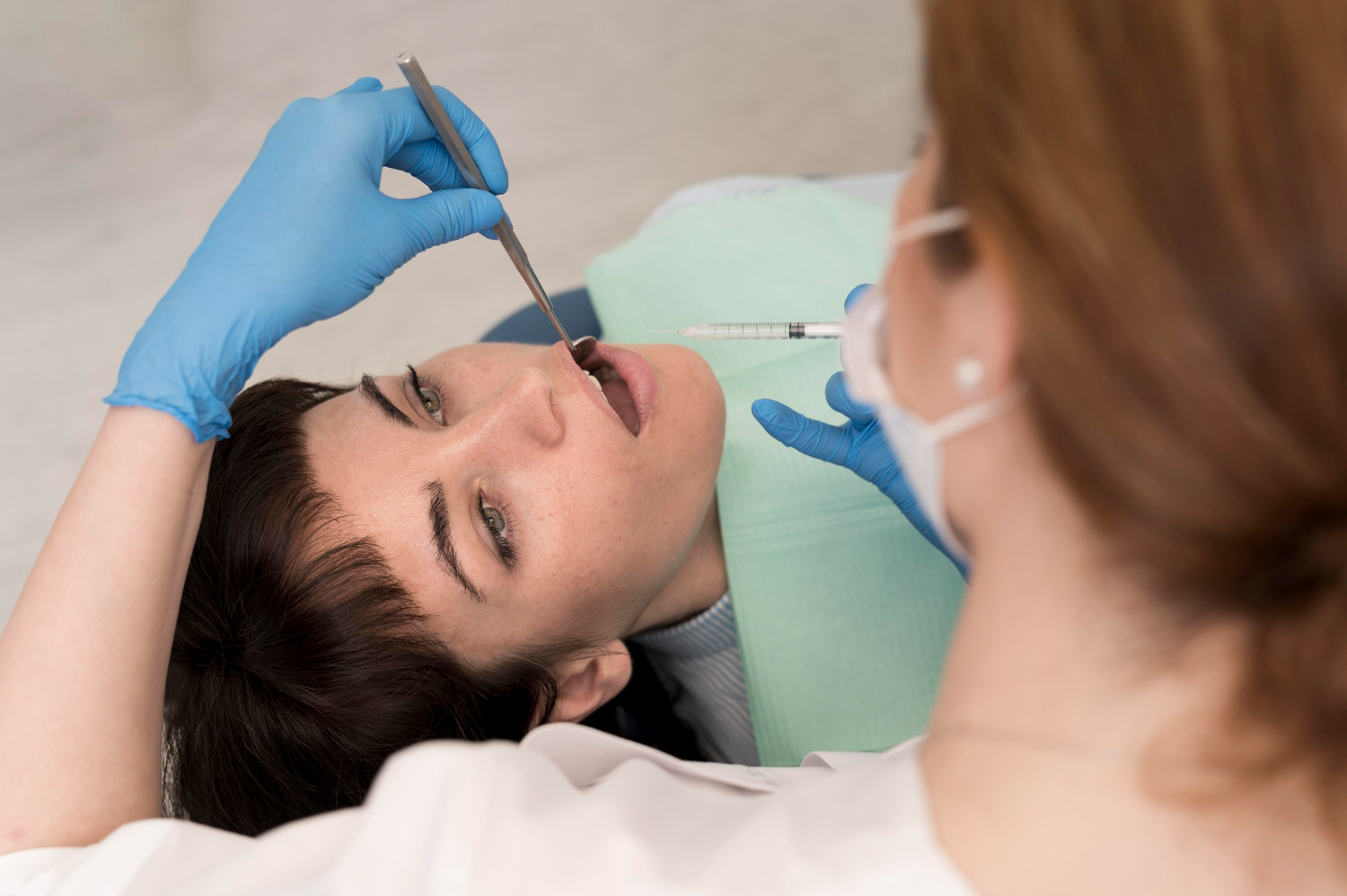
- You’ll be given anesthesia or sedation so you don’t feel pain.
- Titanium posts are placed into your jawbone.
- Temporary teeth may be fitted so you don’t leave with gaps.
- Surgery can take several hours, depending on complexity.
Step 4: Healing and Recovery
Recovery is where patience pays off. It isn’t just about waiting; it’s also about actively caring for yourself. Every small step helps the implants bond better and last longer.
Here is what to expect:
- Your implants bond with the jawbone in a process called osseointegration. This takes 3–6 months.
- You’ll have follow-up visits to check progress.
- Pain and swelling are normal but manageable with medication.
- You’ll need to stick to soft foods for a while.
Here is some helpful advice:
- Use ice packs in the first 48 hours to reduce swelling.
- Sleep with your head slightly elevated to ease discomfort.
- Avoid strenuous exercise for at least a week.
- Follow your dentist’s cleaning instructions carefully.
Step 5: Final Restoration
This is the exciting part. Here you’ll be getting your permanent teeth. You’ll notice clearer speech, better chewing, and a big boost in confidence. This stage is the reward for your patience. It’s not just about your teeth. It’s mostly about smiling freely, eating comfortably, and living confidently.
Here’s what happens:
- Abutments (small connectors) are attached to the implants.
- Custom-made crowns, bridges, or dentures are placed.
- Your new teeth are designed to look and feel natural.
- Speech and chewing improve dramatically.
Long-Term Care
Implants are strong, but they still need care.
Daily habits:
- Brush twice a day with a soft toothbrush.
- Floss or use a water flosser to clean around implants.
- Visit your dentist every 6 months for check-ups.
- Avoid chewing ice or very hard foods.
Lifestyle tip: Treat implants like natural teeth. The better you care for them, the longer they’ll last.
Read More : See the benefits of full-mouth dental implants over dentures—contact us today to improve your oral health
The Bottom Line
Preparing for full-mouth dental implants surgery is about more than the procedure itself. It’s about building good habits, following your dentist’s advice, and being patient during recovery. Whether you choose traditional implants or All-on-4 dental implants, the journey leads to a permanent, confident smile.
Ready to take the next step? Connect with Dr. Smile today and let our expert team guide you through every stage of the process—from consultation to restoration. Your new smile is waiting.
Frequently Asked Questions
Q. Are full mouth dental implants painful?
The surgery is performed under anesthesia, so pain is minimal. Mild discomfort afterward can be managed with prescribed medication. Most patients describe the sensation as pressure rather than sharp pain. Swelling and soreness usually subside within a week.
Q. How long do full mouth dental implants last?
With proper care, implants can last 20 years or more. Many patients enjoy them as a lifelong solution. Regular dental visits, good oral hygiene, and avoiding harmful habits like smoking extend their lifespan.
Q. What is the recovery time after dental implants?
Recovery usually takes a few weeks, with full bone integration happening over several months. Most patients return to normal activities quickly, but chewing harder foods should be avoided until your dentist confirms healing. Compared to dentures, implants become more stable over time.
Q. Are full mouth dental implants more expensive than dentures?
Yes, the upfront cost is higher. However, implants are more durable, require fewer replacements, and improve overall oral health, making them cost-effective long-term. Think of them as an investment in confidence, health, and convenience.
Q. Who is a good candidate for full mouth or All-on-4 dental implants?
Adults with significant tooth loss, good general health, and sufficient jawbone density are ideal candidates. Even those with bone loss may qualify with grafting procedures. Patients with diabetes or other conditions should consult their dentist for personalized advice.









Leave a Reply